Molgramostim, a recombinant human Granulocyte-Macrophage Colony-Stimulating Factor (GM-CSF), plays a vital role in stimulating the production of white blood cells, particularly neutrophils, monocytes, and dendritic cells. These cells are crucial in immune responses, making GM-CSF an important therapeutic agent in various medical conditions, including autoimmune diseases, cancer, and infectious diseases. Molgramostim has gained prominence due to its application in immunotherapy and regenerative medicine.
Role of GM-CSF in the Immune System
Granulocyte-Macrophage Colony-Stimulating Factor (GM-CSF) is a cytokine that stimulates the bone marrow to produce granulocytes and macrophages. These cells help in fighting infections, clearing damaged cells, and mounting immune responses. GM-CSF’s role in activating dendritic cells is particularly important for initiating immune responses against pathogens and tumors. You can learn more about the role of cytokines and GM-CSF in the immune system at NIH.gov and CDC.gov.

Therapeutic Applications of Molgramostim
- Cancer Immunotherapy: GM-CSF is frequently used in combination with cancer vaccines to enhance the immune system’s response to tumors. Molgramostim boosts the recruitment of immune cells to tumor sites, enhancing the efficacy of immunotherapies. Studies on GM-CSF and its role in cancer immunotherapy can be found at Cancer.gov.
- Treatment of Pulmonary Alveolar Proteinosis (PAP): Molgramostim is used in the treatment of PAP, a rare lung condition where surfactant builds up in the alveoli, impairing lung function. GM-CSF improves the clearance of surfactant by enhancing macrophage activity. For more on pulmonary diseases and GM-CSF, visit NCBI.
- Bone Marrow Transplantation: GM-CSF accelerates bone marrow recovery in patients undergoing bone marrow transplantation or chemotherapy. It stimulates the proliferation of hematopoietic stem cells, facilitating faster immune reconstitution. Learn more about stem cell therapy and GM-CSF at FDA.gov.
- Autoimmune Diseases: Molgramostim has been investigated for its role in modulating immune responses in autoimmune conditions like rheumatoid arthritis. It can influence the balance of pro-inflammatory and anti-inflammatory cytokines, potentially reducing disease severity. Research on autoimmune therapies using GM-CSF is available at PubMed.
Mechanism of Action
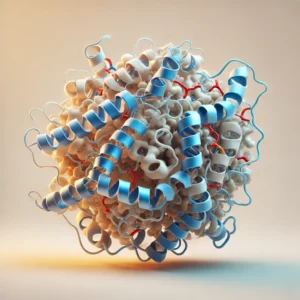
Molgramostim binds to specific receptors on the surface of hematopoietic progenitor cells in the bone marrow, stimulating the differentiation and proliferation of granulocytes and macrophages. These cells are crucial for immune defense and tissue repair. The detailed mechanisms of action are described in studies available at NCBI.
GM-CSF also plays a role in enhancing the activity of antigen-presenting cells, which are essential for T-cell activation. This makes GM-CSF a valuable component in cancer vaccines and other immunotherapeutic approaches. For a deeper dive into immunotherapy research, refer to resources on NIH.gov.
Production of Recombinant Human GM-CSF
Molgramostim is produced using recombinant DNA technology. The gene encoding human GM-CSF is inserted into host cells (often E. coli or yeast), which then express the protein. The recombinant protein is harvested and purified for therapeutic use. For more information on recombinant protein production, see FDA.gov guidelines.
The biopharmaceutical industry continues to refine the production and purification of recombinant proteins like Molgramostim, ensuring that they meet safety and efficacy standards for therapeutic applications. Regulatory guidelines on recombinant protein therapies can be found at FDA.gov and EMA.europa.eu.

Conclusion
Molgramostim represents a critical tool in the arsenal of immunotherapies and regenerative medicine. Its ability to stimulate immune cell production and activation has made it a valuable therapeutic agent for cancer, infectious diseases, and autoimmune disorders. As research progresses, the potential of Molgramostim in novel therapeutic areas continues to expand.